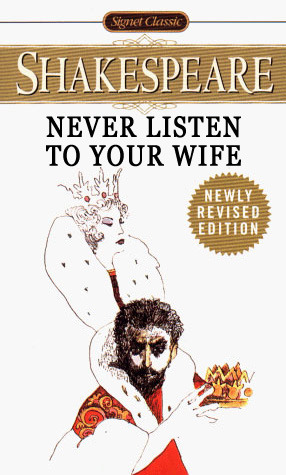
I believe evil is an ever-present force in our world that people must resist on a daily basis. Although some may be more immune or conditioned against such temptations, others continue to steal glances at the sometimes alluring yet always dangerous prize. The day one finally decides to reach out and grab that forbidden fruit and all its glory, he unknowingly also decides to takes a one way path towards self-destruction and evil.
Macbeth is one such man who, despite his valiant deeds in
battle, succumbed to evil in the face of insurmountable power. His downward
spiral began when the three witches hailed him as the next king. One could
almost see his lust for power as Macbeth begged for the witches to, “Stay… tell
me more!” (Shakespeare 6). Now the idea of
being so much more than a general plagued his thoughts relentlessly for the
next days. He was just waiting for a trigger to set him off. The spark turned
out to be his very own wife who, upon hearing the witches’ prophecy, insisted
Macbeth that takes immediate action by assassinating King Duncan. At first, the
thane of Cawdor is hesitant because he realizes the fatal consequences of being
caught and the fact that he is about turn his whole world upside-down. After more pushes from his wife, he follows through
and murders the noble king that very night.
The death of the king acts as a turning point for the
evil-inducing Lady Macbeth and Macbeth. Now there is no going back and they
must constantly be weary of blowing their cover. Lady Macbeth puts on a façade
as she tries to remain level headed as her husband laments over his
unforgivable actions. They begin falling into the grips of madness as the
scenes progress. They realize they can’t keep hiding what they did forever-
stories change, details are forgotten, and evidence is unearthed. Macbeth tries
taking matters into his own hands by murdering the guards that would have
compromised their scheme. He slyly says, “repent me of my fury / That I did
kill them” (Shakespeare 27). The phrase "repent me" seems like a command instead of a plea, and it also lacks any remorse due to the lack of "sorry" or "please forgive me". However, that only leads to more suspicion over
the royal couple because the supposedly guilty guards were obviously needed for
questioning. Macbeth must end more innocent lives and fight off his guiltyconscious as he desperately tries to avoid being caught. In the end, the only
apparent remedy that silences his guilty conscious is the powerful poison of
insanity.

Very well written; I really enjoyed reading that. I like how you personified evil and said that the temptation is around everyone. I hadn't really thought of it that way before, but you are right. There is always the option to do something unethical in school because it is the easy way out, and some people are way better at resisting it than others. Everyday everyone is faced with the choice to do the right thing or not, and in this case Macbeth fell. You did an excellent job explaining that and analyzing it!
ReplyDeleteI second Marisa- this was a great response (and the cover is wonderful!).
ReplyDeleteI third Marisa. This is a very enjoyable post to read. Macbeth was faced with a lot of big decisions to make and he chose the evil path. His wife also played a big factor in the decisions he made, which brings up the saying of "never listen to your wife."
ReplyDelete